

Hudson Pharmacy & Surgical
Updated Mon July 13, 2026
Published Under: General
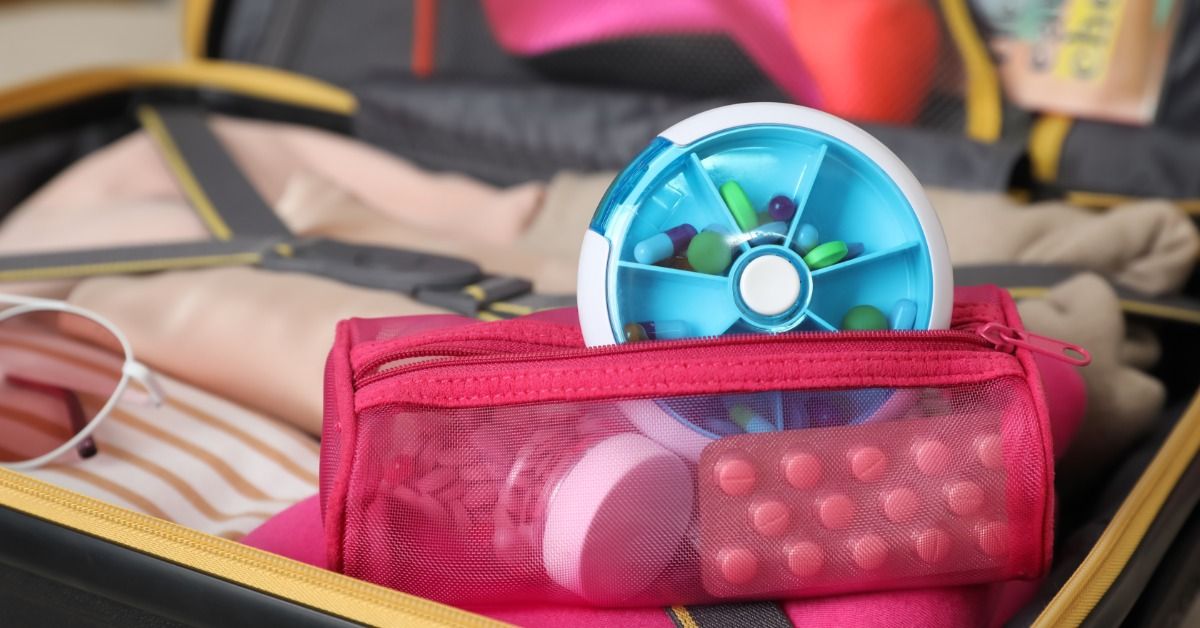
Traveling with medications requires careful planning, especially when they require temperature-sensitive treatment. Many medications lose effectiveness when exposed to extreme heat, freezing temperatures, or prolonged temperature fluctuations. Whether you travel for business, vacation, or medical appointments, understanding how to protect your medications maintains their safety and effectiveness.
At Hudson Pharmacy & Surgical, we help patients manage their prescriptions with confidence by providing reliable pharmacy support and medication guidance. Explore our temperature control tips when traveling with medications.
Why Temperature Control Matters for Medications
Many medications contain active ingredients that remain stable only within specific temperature ranges. Exposure to temperatures outside those recommendations can alter the medication’s chemical composition. Once a medication loses stability, it may not deliver the intended therapeutic benefits. Proper storage during travel ensures your treatment plan remains effective wherever you go.
Temperature concerns affect more than insulin and injectable medications. Certain antibiotics, biologics, eye drops, and specialty medications also require careful handling. Even medications that tolerate room temperature can experience reduced effectiveness when left in a hot vehicle or direct sunlight. Understanding storage requirements before departure prevents unnecessary complications.
Know Your Medication’s Storage Requirements
Before traveling, review the storage instructions for every medication you plan to bring. Prescription labels often include temperature recommendations and handling instructions. Your pharmacist can explain any special storage needs and provide practical travel recommendations. This information helps you prepare the appropriate travel supplies before leaving home.
Different medications require different temperature ranges. Some medications remain stable at room temperature, while others require refrigeration. Certain products can tolerate short periods outside their preferred temperature range, while others cannot. Knowing these details allows you to make informed decisions throughout your trip.
Pack Medications in Your Carry-On Bag
When flying, always keep medications in your carry-on luggage. Checked baggage compartments may experience temperature extremes that could damage sensitive medications. Carry-on storage gives you greater control over environmental conditions throughout your journey. It also ensures your medications remain accessible if luggage becomes delayed or misplaced.
Original prescription containers provide an additional layer of protection. These containers identify medications and display important storage instructions. Original packaging also simplifies airport security screening and reduces confusion during travel. Keeping medications properly labeled supports safety and convenience.

Use Insulated Travel Cases When Necessary
Insulated medication travel cases provide valuable protection for temperature-sensitive prescriptions. These specialized containers can maintain stable temperatures during transit. Many options include cooling packs designed specifically for pharmaceutical products. Choosing the right travel case depends on your medication’s storage requirements and travel duration.
Cooling packs should never directly touch medications that cannot freeze. A protective barrier prevents accidental freezing damage. Always follow manufacturer recommendations when using insulated travel products. Proper packing techniques maximize temperature stability throughout your trip.
Protect Medications During Road Trips
Road trips present unique challenges for medication storage. Vehicle interiors can reach dangerous temperatures within minutes, especially during warmer months. Leaving medications inside a parked car can expose them to conditions that compromise their effectiveness. Maintaining temperature control requires continuous attention during travel.
Store medications inside the climate-controlled passenger compartment whenever possible. Avoid placing prescriptions in trunks, glove compartments, or areas exposed to direct sunlight. If you stop for meals or sightseeing, bring medications with you rather than leaving them in the vehicle. These simple precautions can significantly reduce temperature-related risks.
Quick Temperature Protection Checklist
Before and during travel, follow these important medication safety practices:
- Review storage requirements before departure.
- Keep medications in original containers.
- Pack prescriptions in carry-on luggage.
- Use insulated travel cases when needed.
- Avoid leaving medications in parked vehicles.
- Monitor cooling packs to prevent freezing.
- Protect medications from direct sunlight.
- Carry extra medication for unexpected delays.
Managing Refrigerated Medications While Traveling
Traveling with refrigerated medications requires additional planning. Certain products, such as insulin and other specialty medications, often require consistent temperature control. Portable medical coolers and approved travel refrigeration systems can maintain safe storage conditions. Selecting reliable equipment before departure reduces stress during travel.
Monitor temperatures whenever possible. Many modern travel coolers include temperature indicators that provide real-time information. This feature helps travelers identify potential issues before medications become compromised. Consistent monitoring adds an extra layer of protection for sensitive prescriptions.
Air Travel Tips for Temperature-Sensitive Medications
Air travel introduces several environmental changes that can affect medication storage. Airport terminals, security checkpoints, and flight delays may expose medications to varying temperatures. Planning ahead minimize these risks. Understanding airline policies before departure can also streamline the travel experience.
Notify airline personnel if you are traveling with medically necessary temperature-controlled medications. Many airlines accommodate passengers carrying prescription cooling supplies. Keep documentation from your healthcare provider if special accommodation is necessary. Preparation ensures a smoother journey from departure to arrival.

What To Do if Medications Experience Temperature Exposure
Sometimes medications encounter unexpected temperature exposure despite careful planning. If you suspect a medication experienced excessive heat or freezing temperatures, don’t immediately assume it remains safe to use. Different medications respond differently to temperature fluctuations. Professional guidance can determine the appropriate next steps.
Contact your pharmacist as soon as possible. Provide details about the duration and conditions of exposure. A pharmacist can evaluate available information and determine whether replacement medication may be necessary. Prompt action protects your health and treatment outcomes.
Planning Ahead for Extended Travel
Longer trips often require additional preparation. Consider how much medication you will need throughout your travels and account for potential delays. Running out of medication while away from home can create unnecessary complications. Planning ensures uninterrupted treatment.
Many travelers benefit from arranging prescription refills before departure. Hudson Pharmacy & Surgical works with patients to coordinate medication needs and simplify travel preparation. For individuals who need medications delivered before departure, our dependable RX delivery services ensure prescriptions arrive on time. Proper preparation reduces stress and allows you to focus on enjoying your trip.
Partner With a Trusted Pharmacy Before You Travel
Hudson Pharmacy & Surgical remains committed to helping patients manage their medications with confidence. Our team provides personalized support, reliable prescription services, and expert recommendations for medication handling. Whether you need refill assistance, travel guidance, or prescription coordination, we work to help you stay prepared wherever life takes you. Contact Hudson Pharmacy & Surgical today to learn more about our pharmacy services and discover how we can support your medication needs before your next trip. (914) 941-4476
Comments